





Capacitive Pressure Sensor
Introducing our high-quality capacitive pressure sensor - the perfect solution for accurate and reliable pressure measurement in various industrial applications.

- Product Introduction
Solidat Applied Technologies Ltd. is one of the leading manufacturers and suppliers of capacitive pressure sensor in China, also supports customized service. Please feel free to buy high quality products in stock here and get quotation from our factory. Good service and reasonable price are available.
Capacitive pressure sensors measure changes in electrical capacitance caused by the movement of a diaphragm. A capacitor consists of two parallel conducting plates separated by a small gap. One of the plates acts as the diaphragm that is displaced by the pressure, changing the capacitance of the circuit.
Advantages of Capacitive Pressure Sensor
No drift
Capacitive pressure sensors have low drift over time, making them a reliable choice for long-term use. This low drift also reduces the need for frequent calibration, reducing maintenance costs and downtime.
High accuracy
Capacitive pressure sensors offer high accuracy, with a precision of up to 0.1% full-scale range. This high level of accuracy makes capacitive sensors an excellent choice for applications that require precise measurement of pressure, such as in medical and industrial applications.
Robust and durable
Capacitive pressure sensors are robust and durable, with no moving parts, making them less prone to mechanical wear and tear. This makes them a reliable choice for use in harsh environments, such as in the automotive and aerospace industries.
Fast response time
Capacitive pressure sensors offer fast response times, providing real-time feedback on pressure changes. This makes them suitable for use in applications that require fast and accurate pressure measurement, such as in control systems and pressure monitoring applications.


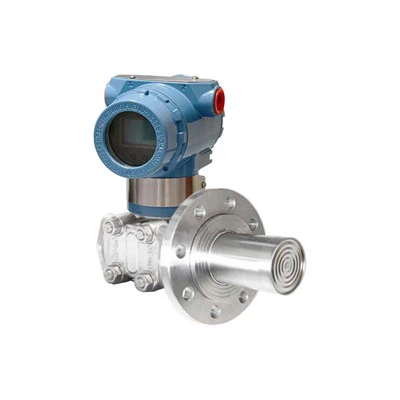
Why Choose Us
The company's products are made of high-quality materials from accessories to chips, ensuring their durability and meeting the on-site needs of customers in various industries.
Company offers customization options to its customers, enabling them to personalize their orders according to their specific preferences.
Has developed streamlined processes for delivering its products and services, ensuring that customers receive their orders on time and with minimal delay. This efficiency also extends to the company's professional services, which are delivered by a team of experienced technicians and engineers.
Is its commitment to pre- and after-sales support. The company's team of experts are on hand to provide advice and guidance to customers, ensuring they make informed decisions about their technology needs. The company also offers ongoing support and maintenance services, ensuring that customers' systems are performing at their best at all times.
Types of Capacitive Pressure Sensor
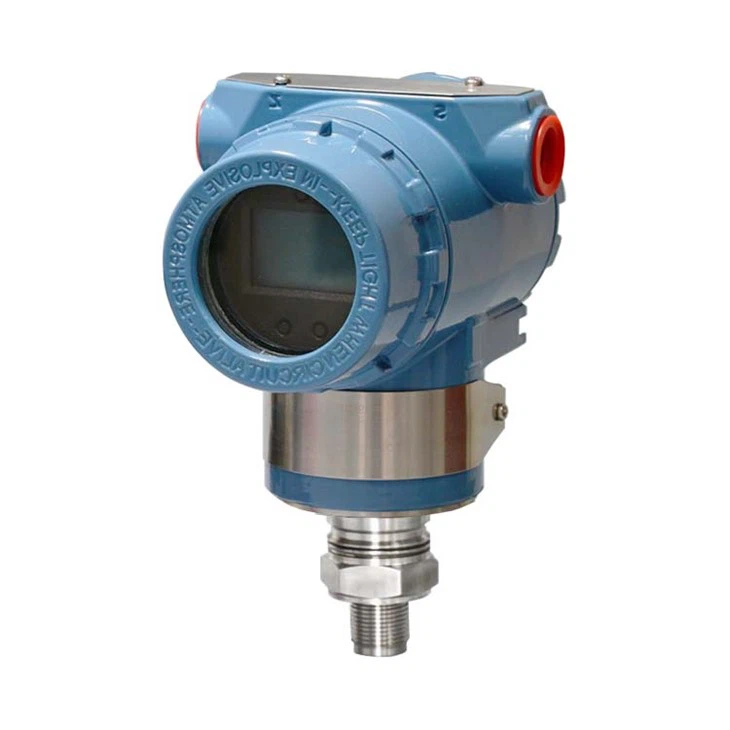
Miniature capacitive pressure sensor
Miniature capacitive sensors can come in a cylindrical or wafer-style in order to fit the most compact spaces. These types of sensors have several uses, including controlling and monitoring machine process, and acting as detectors for counting jobs. To afford the best fit in tight spaces, miniature sensor heads require the use of an external amplifier. The potentiometer on the external amplifier allows for sensitivity adjustment.
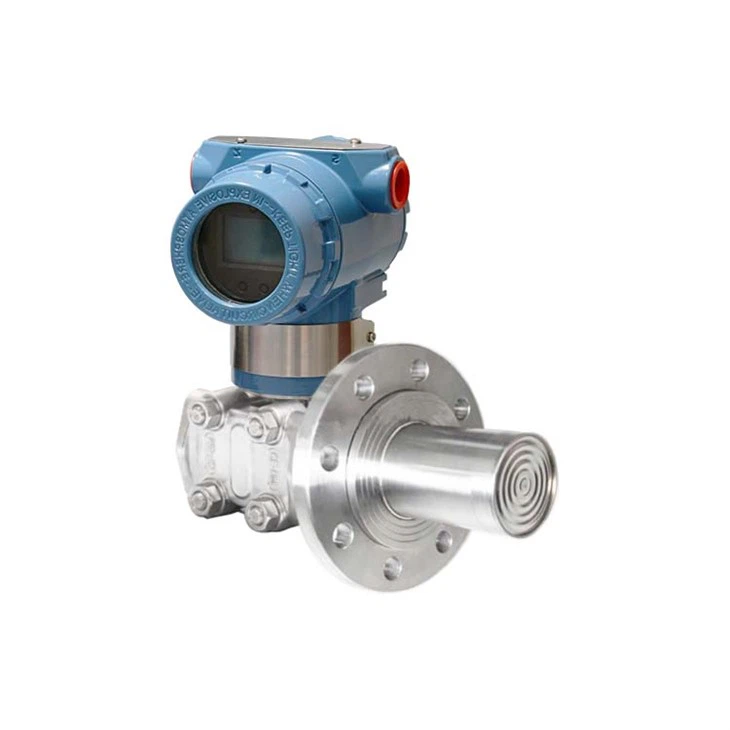
Cylindrical capacitive pressure sensor
Not to be confused with the cylindrical miniature sensors, these types of capacitive sensors are larger than the miniatures, ranging from ∅6.5 to M12 and M12 to M30. They have an adjustable sensing distance and we offer both flush and non-flush mounting options.

High temperature capacitive pressure sensor
For applications that are put under extreme temperatures, high temperature capacitive sensors are the way to go. These can still function even while in direct contact with hot materials and temperatures, detecting levels for liquids and bulk goods even under the most extreme circumstances.

Analog capacitive pressure sensor
The analog sensor works similar to standard capacitive sensors, but it can have several advantages depending on how it's used. For instance, analog sensors are excellent for material selection, thickness monitoring, and concentration deviation in addition to the many other uses that capacitive sensors are good for.
Application of Capacitive Pressure Sensor
Automotive industry
These sensors are employed for tire pressure monitoring, engine management systems, and cabin pressure sensing, among other applications.
Healthcare
In the medical field, capacitive pressure sensors can be found in applications such as blood pressure monitoring, respiratory devices, and infusion pumps.
Consumer electronics
Touch screen technology in smartphones and tablets leverage capacitive sensing principles. Though not a traditional'pressure'application, it highlights the versatility of capacitive sensing.
Industrial process control
Capacitive pressure sensors help maintain process control in various industries, by monitoring pressure in pipelines and tanks, controlling hydraulic systems, and ensuring the safety of pressure vessels.
Components of Capacitive Pressure Sensor
Insulating Layer
A thin layer of insulating material, typically silicon dioxide or silicon nitride, is placed between the electrodes to prevent electrical shorting and maintain a stable capacitance value.
Diaphragm
A flexible membrane that deflects under applied pressure, causing a change in the distance between the two parallel plates. Diaphragms can be made from various materials, such as silicon, metal, or polymer, depending on the application requirements.


Electronic circuitry
The electronic circuitry is responsible for measuring the changes in capacitance and converting them into an electrical signal that can be easily interpreted by a microcontroller or other data acquisition system.
Electrodes
Conductive plates that form the capacitor. One plate is fixed, while the other is attached to the diaphragm. These electrodes can be made from materials like gold, platinum, or aluminum, depending on the desired performance and compatibility with the intended environment.
Maintenance Tips for Capacitive Pressure Sensor
Before using a wire brush or special compound to clean the extruder barrel, all sensors should be disassembled, because these two cleaning methods may damage the sensor's vibration film. When the barrel is heated, the sensor should also be disassembled and the top of the sensor should be wiped with a soft cloth that will not wear out. At the same time, the hole of the sensor should be cleaned with a clean drill and guide sleeve.
Although the circuit design of the sensor can withstand the harsh extrusion processing environment, most sensors are not absolutely waterproof, and it is not conducive to normal operation in a humid environment. Therefore, it is necessary to ensure that the water in the water cooling device of the extruder barrel does not leak, otherwise it will adversely affect the sensor. If the sensor has to be exposed to water or a humid environment, it is necessary to choose a special sensor with extremely strong water resistance.
When the pressure sensor is installed too close to the upstream of the production line, unmelted materials may wear the top of the sensor. If the sensor is installed too far behind, there may be a stagnation zone of molten material between the sensor and the screw stroke, where the molten material may be degraded, and the pressure signal may also be distorted. If the sensor is too deep into the barrel, the screw may touch the top of the sensor during rotation and cause damage.
It is very important to keep the installation hole clean and prevent the melt from clogging to ensure the normal operation of the equipment. Before the extruder is cleaned, all pressure sensors should be removed from the barrel to avoid damage. When the sensor is removed, the melt may flow into the mounting hole and harden. If these residual melt are not removed, the top of the sensor may be damaged when the sensor is installed again.
As a leader in advanced automation technology, committed to providing excellent products and services for a wide range of fields such as smart cities, smart resource utilization, high efficiency and energy saving, and smart factories.
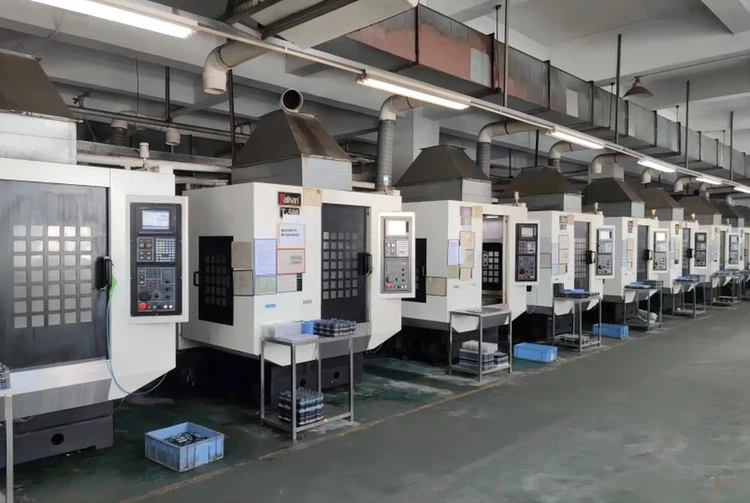





Certifications


FAQ
Q: What are the important consideration when applying pressure sensor?
Q: How do you maintain a pressure transducer?
Q: Why do you need to be careful with pressure sensors?
Q: What are the three main parameters you need to consider when selecting a sensor?
Q: How often should pressure transducers be calibrated?
Q: How do you increase the sensitivity of a capacitive sensor?
Q: What are the precautions of sensors?
Q: How does temperature affect pressure sensors?
Q: What are the advantages of capacitive level sensor?
Q: What are the advantages of capacitive devices?
Q: What are the main difference and advantage of inductive and capacitive sensors?
Q: What is the most common use of capacitive sensors?
Q: What are two applications of capacitive sensors?
Q: Why capacitive is better than resistive?
Q: Where are capacitive pressure sensors used?
Q: What are the characteristics of a capacitive pressure sensor?
Q: What is the purpose of a pressure sensor?
Q: How do you tell if a sensor is capacitive or inductive?
Q: What is the difference between a capacitive sensor and a resistive sensor?
Hot Tags: capacitive pressure sensor, China capacitive pressure sensor manufacturers, suppliers, factory, Pressure Level Transmitter, Pressure, Diaphragm Pressure Transmitter, Capacitive Pressure Sensor, Pressure Series, Differential Pressure Level Transmitter


