
Specialized customized services
Company offers customization options to its customers, enabling them to personalize their orders according to their specific preferences.
Efficient execution efficiency
Has developed streamlined processes for delivering its products and services, ensuring that customers receive their orders on time and with minimal delay. This efficiency also extends to the company's professional services, which are delivered by a team of experienced technicians and engineers.
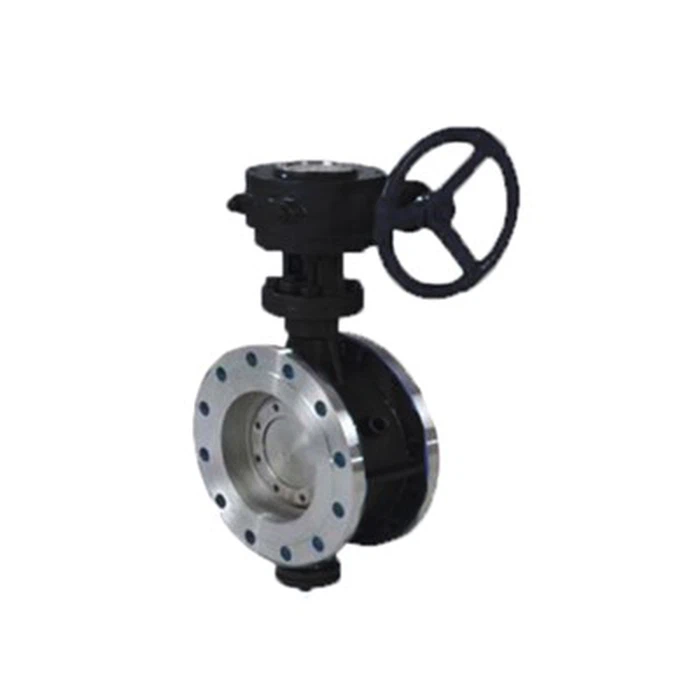
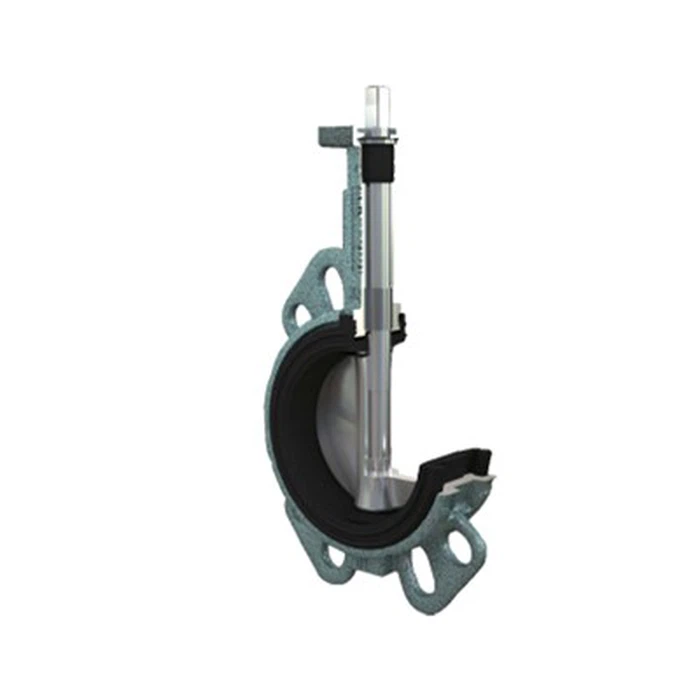
Excellent product quality
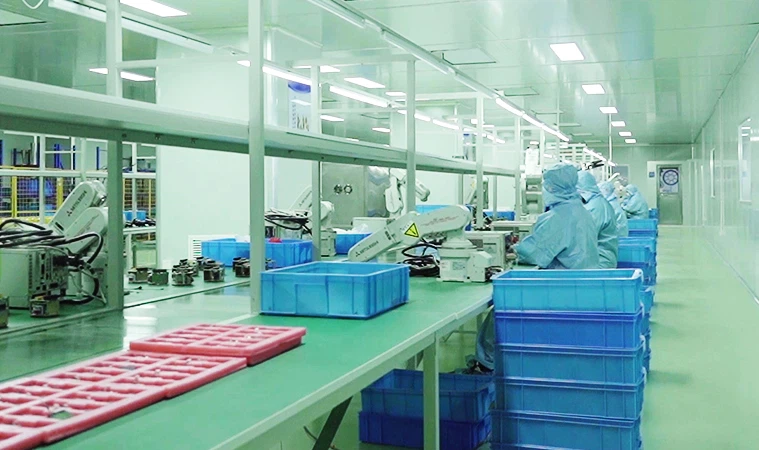
The company's products are made of high-quality materials from accessories to chips, ensuring their durability and meeting the on-site needs of customers in various industries.
Professional technical services
Is its commitment to pre- and after-sales support. The company's team of experts are on hand to provide advice and guidance to customers, ensuring they make informed decisions about their technology needs. The company also offers ongoing support and maintenance services, ensuring that customers' systems are performing at their best at all times.
An On off valve has two states of operation either open or close. It is identical in operation to an electric switch. In other words, the on/off valve is the fluid equivalent of an electrical switch. It either allows the fluid to pass or block through it.
A ball valve is a shut-off valve that allows, obstructs, and controls the flow of liquids, gases, and vapors in a piping system by rotating the ball having a bore inside the valve. The ball is mounted against two seats and has a shaft that connects it to the operating and control mechanism that rotates the ball.
The opening or closing of regulating valve is usually done by electrical, hydraulic or pneumatic actuators. Normally with a modulating valve, which can be set to any position between fully open and fully closed, valve positioners are used to ensure the valve attains the desired degree of opening.
Operation is similar to that of a ball valve, which allows for quick shut off. Butterfly valves are generally favored because they cost less than other valve designs, and are lighter weight so they need less support. The disc is positioned in the center of the pipe. A rod passes through the disc to an actuator on the outside of the valve. Rotating the actuator turns the disc either parallel or perpendicular to the flow.
The great majority of valves supplied every year to the industry are made from nonferrous materials, chiefly 'bronze' or brass. Bronze in valve manufacture is usually an alloy of copper, tin, lead, and zinc. If a zinc-free bronze is required this must be specified.


Industrial applications
Application in industry starts, regulates, and stops the flow of media. Its disc opens and closes with a low-torque rotation of a right angle and suits all applications. Since these items are lightweight and cost less, they are preferred over other valves. A few other factors that make them preferable is their ability to withstand extreme temperatures and even corrosion.

In food processing
The food processing industry is a complicated and diverse network of businesses that supplies edibles to the world’s population. As the food is provided on a massive scale, it is crucial to maintain quality, safety, and cleanliness. In a factory or a plant, the workers rely on it to make their jobs less strenuous and get the process done quickly, proving valve efficiency.

Oil and gas refineries
The remote offshore oil rigs and gas pipelines work in harsh environments, so only heavy-duty valves, such as triple-offset valves (TRVs), can withstand hostile environments and aggressive media involved in refineries. The operating conditions for these valves are challenging as the extreme environments range from temperature exceeding 816-degrees C to a pressure exceeding 25,000 PSIG and cryogenic environments for LNG down to -162-degrees C.

In the ship building
As valve application in industry provides a high degree of reliability and durability, they are used in power generation industrial applications where ABS-approved materials are employed. It works by creating a water-tight shut-off in the piping to avoid fluid flow in the pipe. Having a small size allows them to be used in tight spaces common aboard the ship.
The valve body not only houses other valve parts including the disk and seat but it also is the main pressure-retaining part of the valve. It is also where fluid passes through the valve as both ends of the valve body are connected with piping. The ends can either be threaded or flanged or finished with butt-welding types that depend on the size and pressure of the piping system. Valve bodies come cast or forged in a variety of materials including cast steel, stainless steel, and alloy steel depending on the requirements of the valve as a whole.
The bonnet is the second pressure-retaining component of a valve and is also referred to as the cover. It is connected to the valve body to create the valve enclosure. In the case of globe, diaphragm, gate, or stop check valves, it has an opening where the valve stem passes through and provides access to the internal parts of the valve when maintenance is needed.
The valve stem’s purpose is to transfer the required motion to either the disc, plug, or the ball in order to open and close the valve. It is connected to the valve actuator, lever, or handwheel at one end and the valve disc at the other end.
In a gate or globe valve, the stem uses the linear motion of the disc to open or close the valve while in plug, ball, and butterfly valves, the disc is rotated to open or close it.
The disc is the part of the valve that either allows or stops the flow, depending on where it’s positioned. A valve disk can be forged, fabricated, or cast.
The seat is one of the main parts of the valve that directly affects the rate at which the valve leaks and is an integral part of the valve body. Valves can have one or more seats depending on the type of valve. For example, a gate valve has two seats, one that sits on the upstream side and the other on the downstream side.
Valve trim is the collective term for the removable or replaceable internal parts that come into contact with the flow medium. These parts include the valve seat, disc, glands, spacers, guides, bushings, and internal springs.
Valve trim is the collective term for the removable or replaceable internal parts that come into contact with the flow medium. These parts include the valve seat, disc, glands, spacers, guides, bushings, and internal springs.
Clean them
Cleaning your valves is one of the simplest methods to extend their life. Cleaning cycles vary per person, but it’s a good idea to clean your valves at least once a year. You should clean your surroundings more occasionally if it is dirty or dusty.
Assessments on a regular basis
Ascertain that the enclosure is suitably ventilated. Make sure all bolts, nuts, and other hardware are securely fastened. To make sure the valves aren’t jammed, open and close them as often as feasible. If you discover any leaks, you should fix them right away.
Routine shutdown maintenance
Mineralization, tarnish, and wearing will corrode the parts inside your valves over time. Machinery shutdowns are an ideal time to inspect your valves. Disassemble them, clean the inside, and restore any damaged or broken parts.
Lubricate the valves
Oiling is among the most Ignored but cheap parts of valve maintenance. Miss this Process and you may experience convulsion or, at the very least, declining in performance. Lubrication on a Repetitive Basis can also help valve seal, prolonging their service life. The key is to turn the valve to allow the lubricant to enter the valve cavity.
As a leader in advanced automation technology, committed to providing excellent products and services for a wide range of fields such as smart cities, smart resource utilization, high efficiency and energy saving, and smart factories.
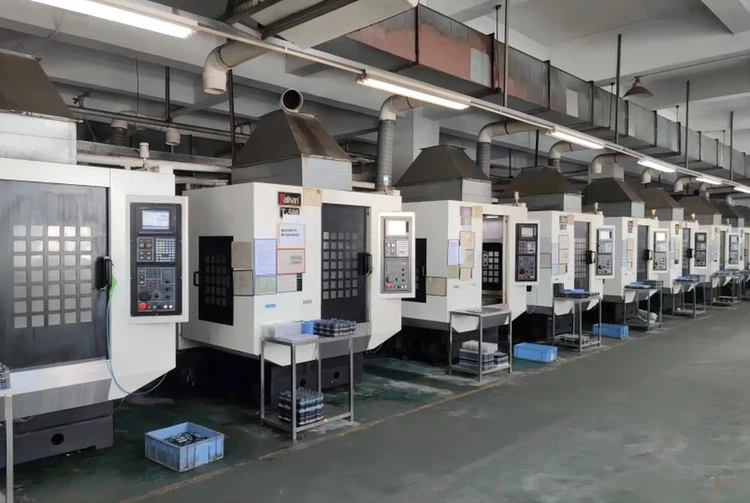

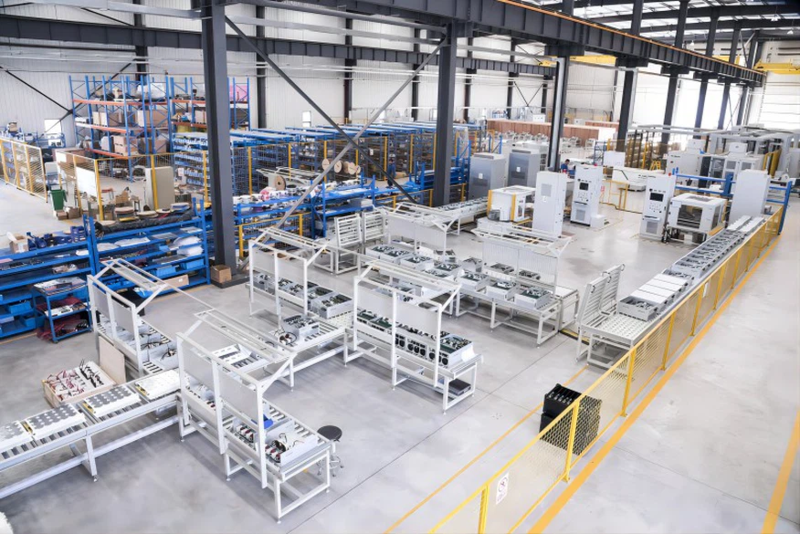



Q: What is the general maintenance of valves?
Q: Do valves need maintenance?
Q: How do you maintain a safety valve?
Q: What is the first step in the servicing of valves?
Q: What is the maintenance interval for a valve?
Q: How do I know if my valves are bad?
Q: What is the definition of a valve?
Q: What is the function of a valve in a water system?
Q: What is a valve used for?
Q: Is a valve a pipe?
Q: Is valve an engine?
Q: How do you identify a valve?
Q: How do you know if a valve is open or closed?
Q: What is the purpose of valves in a cylinder?
Q: Why are valves so important?
Q: How does valve affect performance?
Q: What is the function of valve and pipe?
Q: What valve is used to control water flow?
Q: What are the 3 common types of valves?
Q: Which valve is bigger?
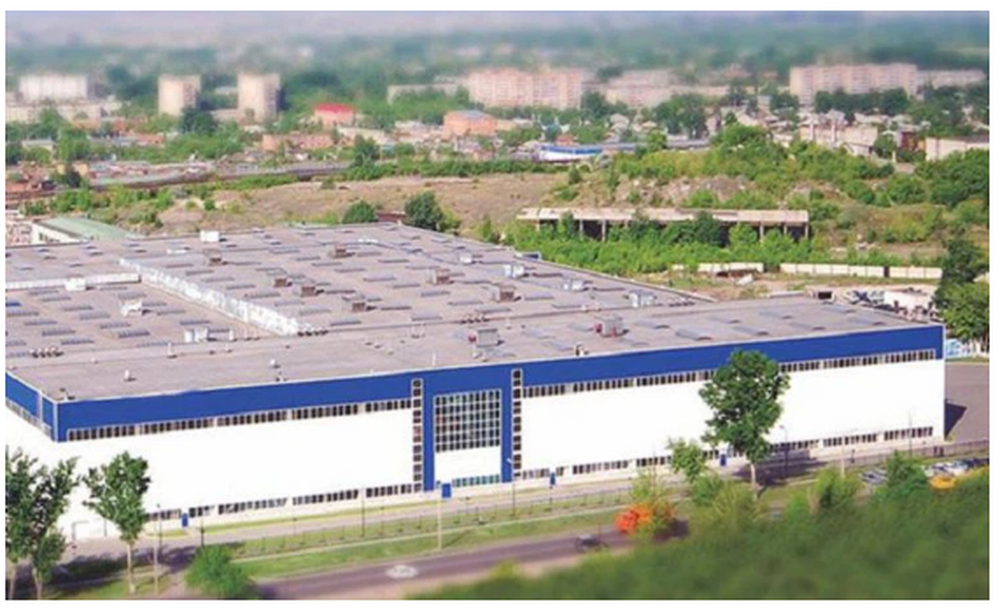
Solidat Applied Technologies Ltd. is one of the leading valve manufacturers and suppliers in China. We warmly welcome you to buy valve in stock here from our factory. All customized products are with high quality and competitive price. Contact us for quotation.
(0/10)



