Extermal Mount Density Meter

What is Extermal Mount Density Meter?


The basic principle of exterminal mount density meter measurement is to measure the degree of blackening of photosensitive materials after exposure and development, that is, blackness. During plate making, the silver bromide on the photosensitive material is exposed to light and is reduced to metallic silver after development, forming a certain degree of light blocking. The greater the blackness, the higher the density; the smaller the blackness, the lower the density. A measuring meter with a filter can also measure the color density of color originals. Its measurement principle is similar to the above basic principle.


Advantages of Extermal Mount Density Meter


Easy to use

The density meter can quickly measure various forms of substances. It can measure the density of different products in one or two steps and directly display the density results on the instrument screen. The results are available in a few seconds. Compared with the traditional manual density calculation or looking at the scale value Reading density really saves time, effort and worry.

Wide measuring range

The density meter can measure a wide range of solids, particles, powders, liquids, and floating bodies with a density less than 1. It is suitable for a wider range than other density meters, and large enterprises or factories require density measurement of a wide range of products. More to meet more measurement needs.

High density accuracy

With the advancement of science and technology, density meters that combine Archimedes' principle with microelectronics technology have high density accuracy. There are many high-precision density meter models to choose from. The density meter model can be selected based on the measurement needs.

Long lasting

According to the different forms of substances measured, density meters can be divided into solid density meters, liquid density meters and gas density meters. The density meter is waterproof, dustproof, and anti-corrosion designed to have a longer service life and lower overall cost of long-term stable use.


Why Choose Us
 

Specialized customized services

Company offers customization options to its customers, enabling them to personalize their orders according to their specific preferences.

Professional technical services

Is its commitment to pre- and after-sales support. The company's team of experts are on hand to provide advice and guidance to customers, ensuring they make informed decisions about their technology needs. The company also offers ongoing support and maintenance services, ensuring that customers' systems are performing at their best at all times.
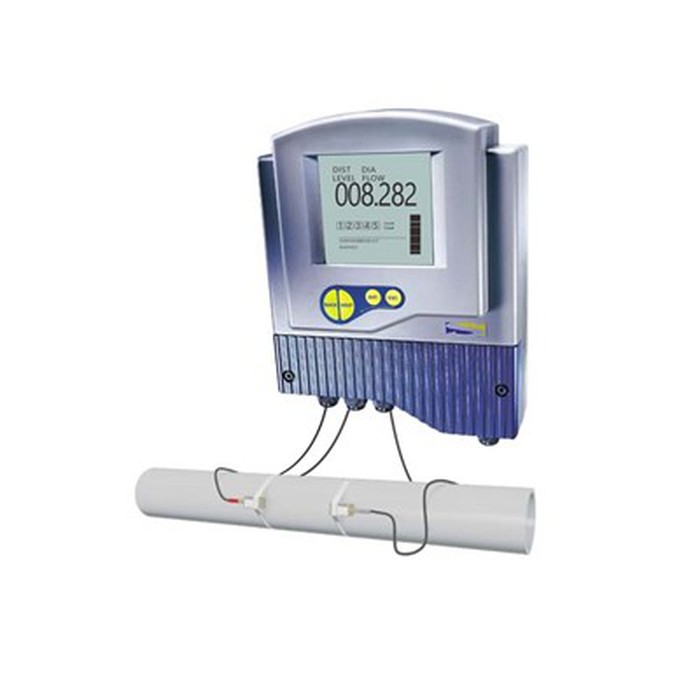
SLDA2100 Slurry Density Meter
SLDL2850 Series SonarDetect External Ultrasonic Liquid Level Switch

Excellent product quality

The company's products are made of high-quality materials from accessories to chips, ensuring their durability and meeting the on-site needs of customers in various industries.

Efficient execution efficiency

Has developed streamlined processes for delivering its products and services, ensuring that customers receive their orders on time and with minimal delay. This efficiency also extends to the company's professional services, which are delivered by a team of experienced technicians and engineers.


Types of Extermal Mount Density Meter
 
 
Coriolis

Coriolis density meters, also known as mass flowmeters or inertial flowmeters, operate on the principle of vibration and measure the phase shift in the vibration of a bent thin-walled tube. A bent thin-walled tube rotates around a central axis. If there is no mass in the bend, the tube will remain untwisted. However, the higher density in the bend causes the inflow of the bend to drag behind the outflow. This twist causes a phase shift, which changes the resonant frequency of the thin-walled tube.

 
Nuclear

Radiation is observed by a scintillator device. Radiation is converted into a flash of light. Count the number of flashes. Radiation absorbed by the mass is invisible to the scintillator device. The density of the medium is therefore inversely proportional to the radiation captured and observed by the scintillator. Nuclear densimeters are limited to what can be observed in gamma-ray beams. The sample size is a single narrow column with a short vertical length. Qualified and licensed staff are required to operate nuclear equipment.

 
Microwave

Microwave densitometers have different methods for determining what solids are in the sample. All microwave meters measure microwaves, but some use different methods such as measuring changes in microwave propagation velocity, amplitude reduction, time of flight, single phase difference, or dual phase shift. Each technique has a certain accuracy. Some microwave meters use ceramic probes that are inserted directly into the sample. This allows the meter to have direct contact with the sample in question.

 
Ultrasonic

Microwave densitometers have different methods for determining what solids are in the sample. All microwave meters measure microwaves, but some use different methods such as measuring changes in microwave propagation velocity, amplitude reduction, time of flight, single phase difference, or dual phase shift. Each technique has a certain accuracy. Some microwave meters use ceramic probes that are inserted directly into the sample. This allows the meter to have direct contact with the sample in question.


Application of Extermal Mount Density Meter


SLDL2525 Split Level Gauge Ultrasonic

Petrochemicals

Oil and gas are like the bloodlines of our modern world, powering everything from cars to factories. But refining them is a delicate task. That’s where density measurement comes in. It helps ensure that the oil is processed just right, not too thick or too thin, making sure our engines run smoothly and safely.

Food and beverage

That’s thanks to density measurement. It makes sure each batch has the right mix, keeping the taste consistent. Plus, it’s crucial for safety, ensuring our drinks and foods are free from unwanted residues or harmful substances.

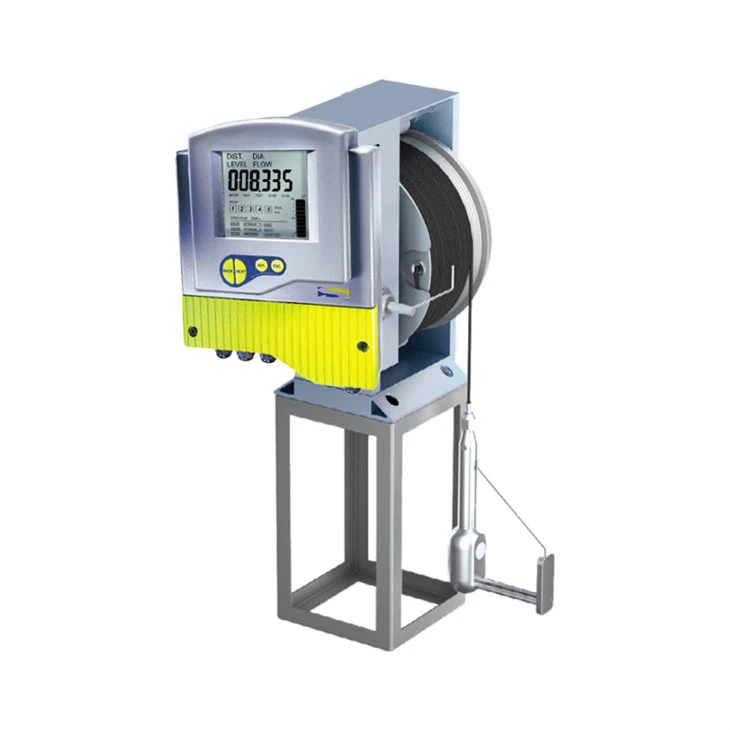
External Clamp Type Multi Parameter Analysis System
Sludge Density Meter

Pharmaceuticals

Medicines are a blend of various ingredients, and getting their mix right is crucial. It’s not just about effectiveness but also safety. Density meters help drug makers ensure that each pill or syrup is properly mixed, delivering the right dose and benefits without any issues.

Mining

Mining is like treasure hunting, where the treasures are valuable minerals buried deep in the earth. But not everything dug up is valuable. Among the treasures are large amounts of waste rock. Density measurement is key in separating the two. Using density meters, miners can determine which materials are rich in minerals and which are just waste. It ensures that the valuable minerals are efficiently separated, maximizing the yield and making the mining process more profitable and sustainable.

SLDL2550 Split Type Ultrasonic Water Level Gauge


SLDL2810 Series SonarScan External Ultrasonic Liquid Level Meter


Principle of Operation of Extermal Mount Density Meter

The density meter is made based on gravity and force balance when objects float and Archimedes' principle. A fully functioning density meter can only float, so the force of buoyancy pushing upward is slightly greater than the force of gravity pulling downward. But at equilibrium, the gravity it experiences is equal to the buoyancy force.

A physical property analysis instrument for measuring fluid density. A similar hydrometer is an instrument that measures the specific gravity of a fluid. Density is the mass per unit volume of a substance; specific gravity is the density ratio of a liquid or solid to water or a gas to air at a specified temperature and pressure. The densities of water and air at certain temperatures and pressures are known, so the specific gravity and density under specified conditions are interchangeable. The density or specific gravity of a substance is related to its composition, so density meters and hydrometers are commonly used to detect the quality of alcohol, petroleum products, acid and alkali solutions, coal gas and natural gas. Density meters can also be used to monitor and control the production and processing of such products.


How to Maintain Extermal Mount Density Meter


Be careful to prevent the density meter from falling or being hit.


Do not disassemble the density meter accessories yourself.


If it is not used for a long time, unplug the power supply, remove the measuring table and sink, empty the water in the sink and wipe it clean to avoid air bubbles from adhering to the sink.


The density meter must be placed in a dry and clean environment and must be kept by designated personnel.


Do not place the density meter under direct sunlight, near an air conditioner, in a place with strong magnetism, or in a dusty place.


Pay attention to keep the density meter clean. You can use a wet towel dipped in detergent and wring it out before wiping it. Do not let liquid flow or splash into the interior of the instrument, and do not use organic solvents to wipe the density meter.

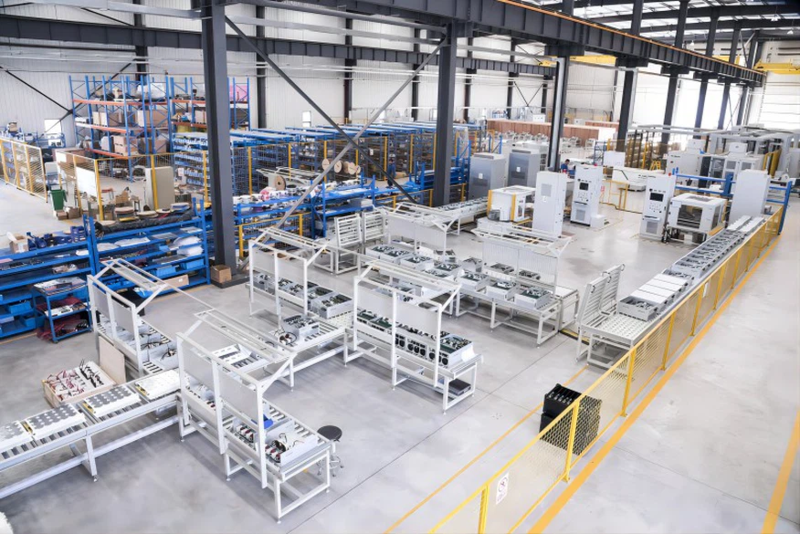
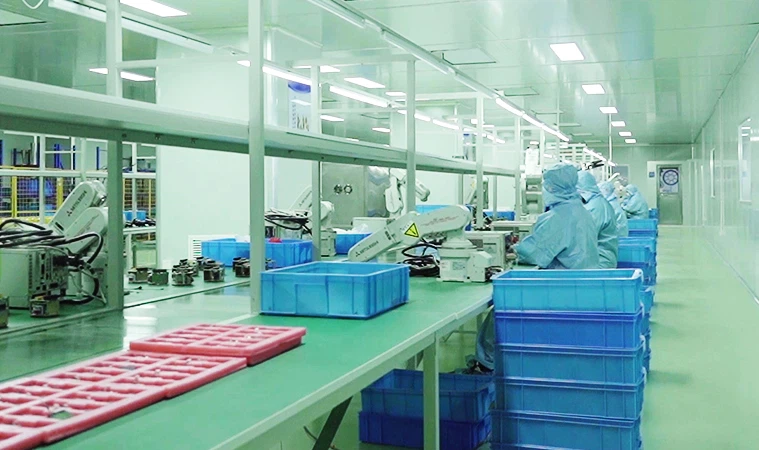
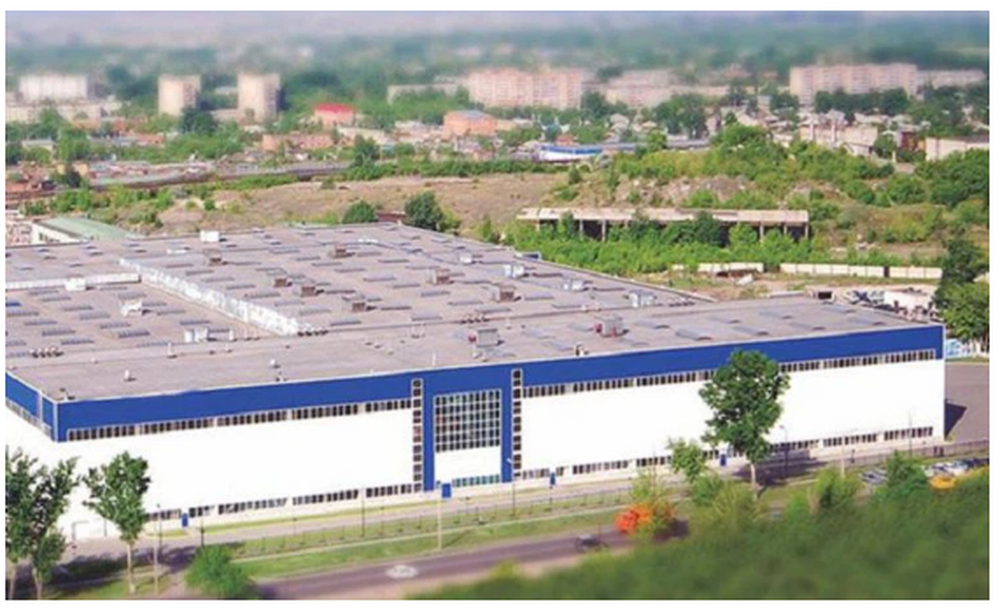
Our Factory


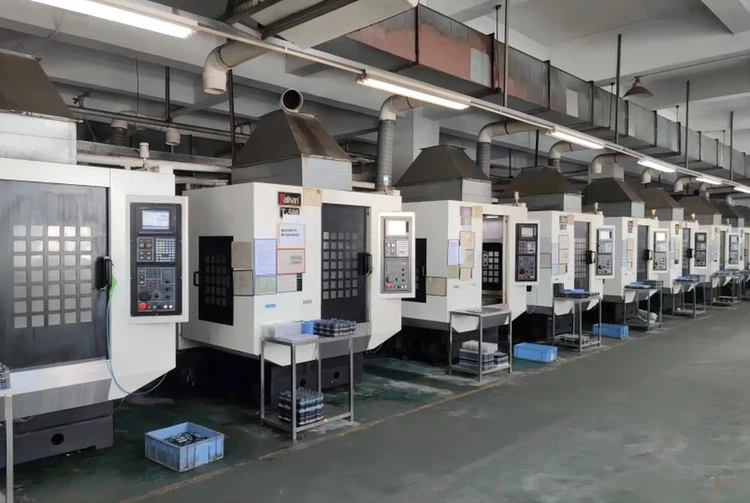
As a leader in advanced automation technology, committed to providing excellent products and services for a wide range of fields such as smart cities, smart resource utilization, high efficiency and energy saving, and smart factories.

202308041642523f750ae9a8fa4447b693843e71e2ffdc.webp (750×503)
20230804162810b35c82ad28bb4b9d9a9b2318377691ce.jpg (1000×677)
20230804164235f8142e2e078b4ea1aab486c54a6d8983.webp (750×501)
20230529132851cc9c4ceae7f04e6da7fd5d73de8c158f.jpg (750×450)
20230614123654fa178cfc26d2474fa81cfc86fa44dfaa.jpg (759×450)
20230804162611e88b6b3821f94fdb8d70544e9467f6fa.png (1000×609)


Certifications
 
20230529131849ca3bc47db5d3418d987fd2eb9ae8e002.jpg (500×750)
202305291319158d6720e001874bddbee41a6d869de1a9.jpg (500×750)
20230529131945911234b650cf496e9e925e54bdac6ab8.jpg (500×750)
202305291320091523c74000cc4c88a36c4b5c38bc10bc.jpg (500×750)
20230529132028ba5a0dced612429eabc6a55f3cfab470.jpg (500×750)


FAQ


Q: How do you use a density meter?

A: The tube, usually a U shaped glass tube, is excited and starts to oscillate at a certain frequency depending on the filled-in sample. Through determination of the corresponding frequency the density of the sample can be calculated.

Q: What is the apparatus of density meter?

A: A density meter, also known as densimeter or specific gravity meter, is an analytical instrument that uses the oscillation of a U-shaped hollow glass tube to measure the density of liquid samples quickly and automatically.

Q: Why is density meter used?

A: Density meters are used to measure slurries, sludges, and other liquids that flow through the pipeline. Industries such as mining, dredging, wastewater treatment, paper, oil, and gas all have uses for density meters at various points during their respective processes.

Q: What is density and why is it important?

A: Density is an intensive property, meaning that it is a property that is the same no matter how much of a substance is present. Density is an important concept because it allows us to determine what substances will float and what substances will sink when placed in a liquid.

Q: How does a density monitor work?

A: The buoyant force acting on the sample is detected by the density meter's transducer or sensor. This measurement is usually translated into an electrical signal that the equipment can process. The density meter determines the sample's density using the calibration data obtained from the reference material.

Q: How do you measure density?

A: To measure the density of a liquid you do the same thing you would for a solid. Mass the fluid, find its volume, and divide mass by volume. To mass the fluid, weigh it in a container, pour it out, weigh the empty container, and subtract the mass of the empty container from the full container.

Q: What is the difference between a hydrometer and a density meter?

A: Unlike digital density measurement methods, a hydrometer measurement always requires a separate temperature measurement on the sample. Some hydrometers have a thermometer already integrated. The measured result and temperature are used to manually search for the corrected value in a given table.

Q: How do you explain density easily?

A: The simple answer is how heavy something is for its size. If something seems very heavy for its size (like a heavy metal object), we say it is more dense. If something seems light for its size (like a bag of cotton or pumice rock), then we say it has low density. Mass is the amount of matter in an object.

Q: Does density measure matter?

A: Now that we can determine if something is matter (if it has volume and mass), we can use another measurement, density, to determine what kind of matter a substance is. Density is the ratio of how much mass is in an object compared to the volume of that object.

Q: What are the advantages of a digital density meter?

A: Portable devices provide the possibility of an automatic compensation of the temperature influence on the result, meaning that the sample is measured at the given temperature, e.g. 27 °C but the final result is shown for a reference temperature of the user's choice e.g. 20 °C.

Q: How do you calibrate a density meter?

A: Calibration of the density meter is done by using air and ultra- pure water. As both air and water have specific density values, quality control is assured by calibrating the density meter by using the known values of each.

Q: What is an example of density?

A: Iron, platinum, and lead are examples of dense materials. Many types of rock and minerals are examples of dense material. Materials that are dense are most likely to 'feel' heavy or hard. The opposite of dense is sparse and a few examples of sparse material are glass, bamboo, aluminium, and styrofoam.

Q: What is the purpose of density test using hydrometer?

A: A hydrometer is a tool used to measure the density or specific gravity of a liquid when compared to water. A hydrometer is made with a calibrated glass tube. At the bottom, it has a bulb weighted at the bottom and filled with air to make it stand upright when placed in liquid.

Q: How do you measure density with a hydrometer?

A: In simple terms, a hydrometer tells the user if a liquid is more or less dense than water. It will float higher in a liquid with a greater density – such as one with sugar dissolved in it – compared to one with a lower density, such as water or alcohol.

Q: How is density used in engineering?

A: Density is one of the most important parameters in engineering and physics. It represents the amount of mass per unit volume of a substance. Density plays a crucial role in designing and manufacturing innovative products across various industries, such as aerospace, automotive, and consumer electronics.

Q: What is the advantage of density?

A: As density increases the per capita cost of providing services such as water, gas, electricity and waste disposal reduces. The cost of transporting materials and goods also declines. As the costs go down so does the consumption of energy.

Q: What is the relationship between volume and density?

A: Volume is the three-dimensional space enclosed by the closed surface. Density is mass per unit volume. The relation between density and volume is directly proportional. That is any change in volume will result in the change in its density and vise-versa.

Q: How do you know if density is accurate?

A: Accuracy is a measure of how close your measured value is to the correct value. For example, if a substance has a density of 1.23 g/mL and you measure its density to be 1.24 g/mL, then you were accurate. The difference between the experimentally measured value and the accepted value is very small.

Q: Does density affect flow meter?

A: Density affects different flow meters in many ways. Volume flow meters such as turbine and magnetic meters are not impacted by density fluctuations. The (proportional to flow) signal output (generally pulse (Hz) or analog) from such meters is read out in liters per minute or gallons per minute.

Q: What temperature is a density meter?

A: It measures the density at temperatures between -10 °C and 200 °C and elevated pressures up to 500 bar. The Pulsed Excitation Method used by DMA 4200 M delivers the most stable density results based on comprehensive knowledge of the oscillation characteristics.

Solidat Applied Technologies Ltd. is one of the leading extermal mount density meter manufacturers and suppliers in China. We warmly welcome you to buy extermal mount density meter in stock here from our factory. All customized products are with high quality and competitive price. Contact us for quotation.

External Clamp Type Multi Parameter Analysis System, density of lime slurry

(0/10)

clearall