
Is its commitment to pre- and after-sales support. The company's team of experts are on hand to provide advice and guidance to customers, ensuring they make informed decisions about their technology needs. The company also offers ongoing support and maintenance services, ensuring that customers' systems are performing at their best at all times.
Has developed streamlined processes for delivering its products and services, ensuring that customers receive their orders on time and with minimal delay. This efficiency also extends to the company's professional services, which are delivered by a team of experienced technicians and engineers.
Company offers customization options to its customers, enabling them to personalize their orders according to their specific preferences.
The company's products are made of high-quality materials from accessories to chips, ensuring their durability and meeting the on-site needs of customers in various industries.

Mechanical actuator
Mechanical actuators create movement by converting one kind of motion, such as rotary motion, into another kind, such as linear motion.The functioning of mechanical actuators relies on the combinations of their structural components, such as gears and rails, or pulleys and chains. High reliability, simplicity of utilisation, easier maintenance and greater precision of positioning are some of the advantages.

Pneumatic actuator
Pneumatic actuators convert energy in the form of compressed air into mechanical motion. Here pressurised gas or compressed air enters a chamber thus building up the pressure inside. Once this pressure goes above the required pressure levels in contrast to the atmospheric pressure outside the chamber, it makes the piston or gear move kinetically in a controlled manner, thus leading to a straight or circular mechanical motion.
Electric Rotary actuator
Consisting of motors and output shaft mechanisms with limited rotary travel, electric rotary actuators convert electrical energy into rotary motion. Used in a wide range of industries where positioning is needed, and driven by various motor types, voice coils, these actuators work as per specifications such as the intended application, drive method, number of positions, output configuration, mounting configuration, physical dimensions and electrical characteristics.
Electromechanical actuator
Electromechanical actuators are mechanical actuators where there’s an electric motor in place of the control knob or handle. The rotary motion of the motor leads to linear displacement. The inclined plane concept is what drives most electromechanical actuators; the lead screw’s threads work like a ramp converting the small rotational force by magnifying it over a long distance, thus allowing a big load to be moved over a small distance.
Automotive industry
Actuators play a critical role in the automotive industry, contributing to the functionality, safety, and performance of modern vehicles. They are used in various systems and components, enabling precise control and movement in response to driver inputs and environmental conditions.
Aerospace industry
Actuators play a critical role in the automotive industry, contributing to the functionality, safety, and performance of modern vehicles. They are used in various systems and components, enabling precise control and movement in response to driver inputs and environmental conditions.
Medical industry
Actuators in the medical industry are pivotal, ensuring precision, safety, and adaptability in various medical devices and procedures. Their role is indispensable in both diagnostic and therapeutic applications, making them a cornerstone of modern medical technology.
Industrial automation
Actuators are the backbone of industrial automation, driving efficiency, precision, and scalability in manufacturing and processing environments. Their role is crucial in ensuring that industrial processes are streamlined, consistent, and adaptable to changing demands.
A clevis is a U-shaped metal piece with holes in each end through which a fastening device, a pin or bolt, is run. Clevis attachments on the front and rear of the actuator allow it to be mounted to the application. Attachment styles from TiMOTION include round, U-shaped (or slotted), or with a punched hole. TiMOTION can customize clevises to fit best the application in use.
Also known as the cover tube, this extruded aluminum tube protects the outside of the linear actuator and houses all of the actuator's inner components.
Also known as the extension tube, drive tube, translating tube, or piston, the inner tube is usually made out of aluminum or stainless steel. While retracted, the inner tube is where the spindle is located. This tube is attached to the threaded drive nut and extends and retracts when the nut moves along the rotating spindle.
A spindle also known as the lead screw, rotating screw, or lifting screw is a long, straight rod that turns in a machine or tool. This linear actuator segment rotates, extending or retracting the nut/inner tube, which creates a linear motion. Our steel spindle ensures durability and strength. The spindle can be threaded in different ways for various load and speed capabilities. Additional details of this will be covered in another section.
The nut, which can be acme or ball screws, is attached to the inner tube and travels along the spindle. The nut is the component that allows extension or retraction of the inner tube. It can be made of metal or plastic and is sometimes keyed to prevent inner tube rotation.
Limit switches control the fully extended and retracted inner tube position by electrically cutting current to the motor. These switches prevent the actuator from overextending or over retracting. In addition to cutting current, limit switches can also be used as a signal-sending device.
Regular lubrication
At the core of actuator care lies the practice of regular machinery lubrication. By consistently applying lubricants to the moving parts, friction, and wear are reduced, ultimately contributing to the prolonged lifespan of your actuators.
Check electrical connections
For electrically powered actuators, the integrity of electrical connections holds paramount importance. The stability of your actuators electric connections ensures the uninterrupted power flow, translating into consistent actuator performance.
Cleanliness is key
Dust, debris, and silent infiltrators pose a significant threat to actuators. These tiny particles can sneak into the inner workings, leading to disruptive malfunctions. In cases where the setting is particularly prone to dust, consider adding protective covers to act as an additional layer of defense.
Correct mounting
One of the foundational pillars of actuator maintenance lies in ensuring proper alignment during installation. Accurate mounting is pivotal for ensuring the smooth operation of your actuators. Misalignment can introduce undue strain on these mechanisms, resulting in premature failure.
Monitor temperature
Heat, in excessive quantities, has the potential to become a silent adversary to actuator efficiency. It’s imperative to monitor the operating temperature of your actuators, ensuring they remain within the recommended range. Implement mechanisms to counter overheating if necessary, safeguarding the sustained performance of your actuators in the face of thermic challenges.
Regular testing
A proactive approach to actuator maintenance involves subjecting them to regular testing. Exercise your actuators through their complete range of motion, allowing them to move through their entire spectrum.
As a leader in advanced automation technology, committed to providing excellent products and services for a wide range of fields such as smart cities, smart resource utilization, high efficiency and energy saving, and smart factories.




Q: What is the function of an actuator?
Q: What is an actuator vs motor?
Q: What does actuator mean in technology?
Q: What are the three main types of actuators?
Q: What is difference between sensor and actuator?
Q: What is the advantage of actuator?
Q: What are examples of actuators in everyday life?
Q: Does an actuator need a motor?
Q: What is actuator in automotive?
Q: What device is an actuator?
Q: Is an actuator a switch?
Q: What sends the signal to the actuator?
Q: Which type of actuators are best?
Q: What are the characteristics of an actuator?
Q: What voltage are actuators?
Q: Is actuators input or output?
Q: Is actuator a servo motor?
Q: How many actuators are in a car?
Q: Is an actuator a cylinder?
Q: Is a pump an actuator?
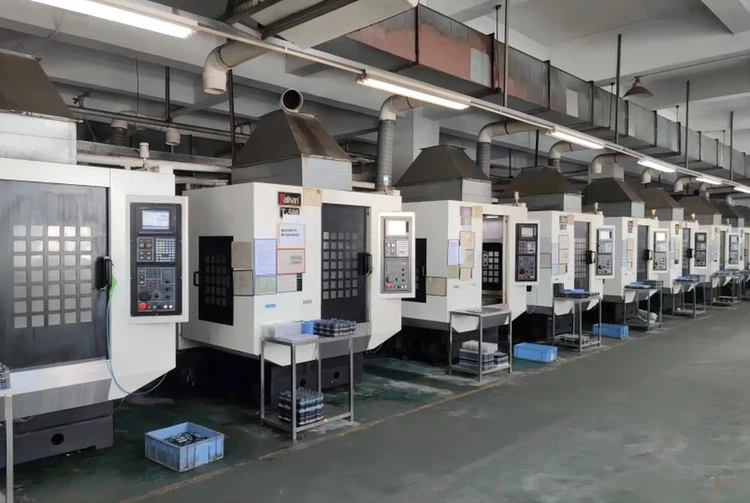
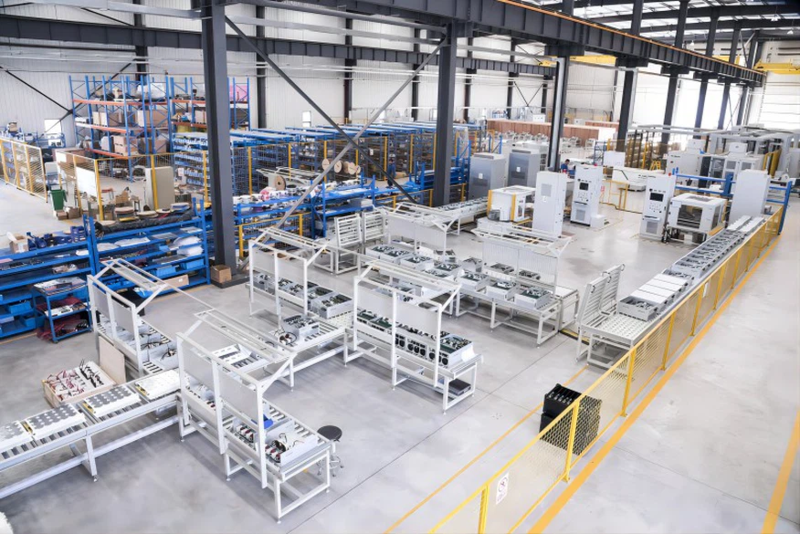
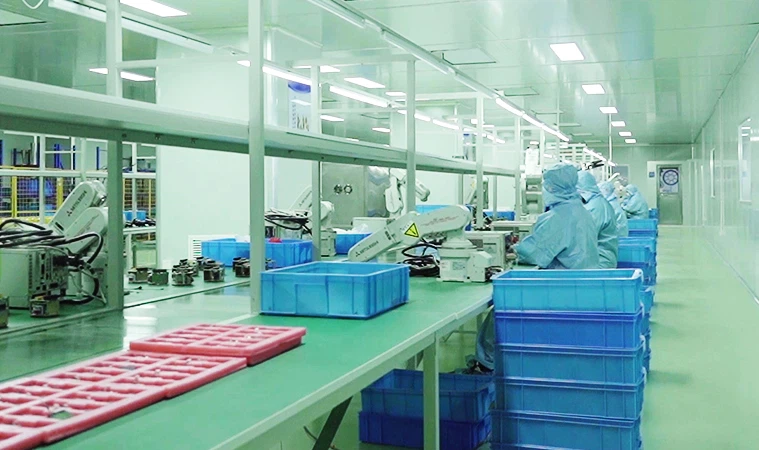
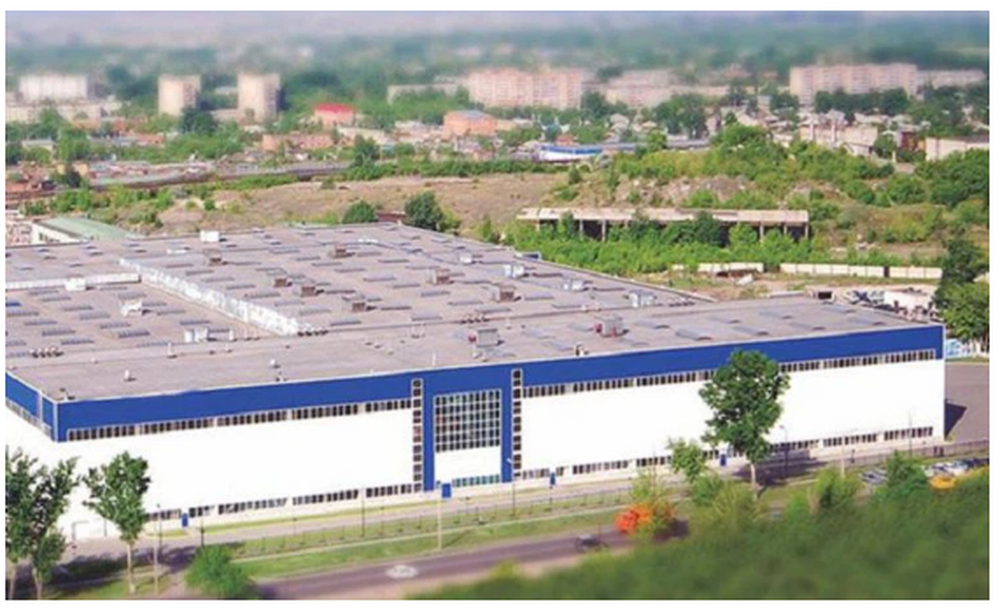
Solidat Applied Technologies Ltd. is one of the leading actuator manufacturers and suppliers. We warmly welcome you to buy actuator in stock here from our factory. All customized products are with high quality and competitive price. Contact us for quotation.
(0/10)



