




What are the levels of proficiency in a foreign language?
 Jul 10, 2026|
 Understanding the levels of proficiency in a foreign language is crucial for individuals aiming to communicate effectively in a globalized world. As a Level supplier, we not only deal with high - quality level measurement products but also recognize the importance of language proficiency in international business. This blog post will explore the different levels of foreign - language proficiency and how they can impact various aspects of life and business.
The Common European Framework of Reference for Languages (CEFR)
The CEFR is a widely recognized system for describing language proficiency. It divides language proficiency into six levels: A1, A2, B1, B2, C1, and C2.
A1 (Beginner)
At the A1 level, learners have basic survival skills in a foreign language. They can introduce themselves, ask and answer simple questions about personal details such as their name, where they live, and their occupation. For example, a beginner in French might be able to say "Je m'appelle [name]" (My name is [name]) and "J'habite à [city]" (I live in [city]). In a business context, an A1 - level speaker may struggle to understand complex instructions or participate in in - depth discussions. However, they can manage basic communication in familiar situations, like ordering food at a restaurant.
A2 (Elementary)
Learners at the A2 level can understand sentences and frequently used expressions related to areas of immediate relevance, such as shopping, family, and local geography. They can write short, simple notes and messages. In business, an A2 - level individual can handle basic customer service interactions, like answering simple inquiries via email or phone. For instance, they can confirm an order or provide basic product information.
B1 (Intermediate)
B1 - level speakers can understand the main points of clear standard input on familiar matters regularly encountered in work, school, leisure, etc. They can communicate in a simple way about their experiences and plans. In a business setting, a B1 - level speaker can participate in meetings, understand presentations on common topics, and contribute to discussions. They can also write reports on familiar subjects with some degree of coherence.
B2 (Upper - Intermediate)
At the B2 level, individuals can understand the main ideas of complex texts on both concrete and abstract topics, including technical discussions in their field of specialization. They can express themselves fluently and spontaneously without much obvious searching for expressions. In business, a B2 - level speaker can negotiate contracts, lead international projects, and communicate effectively with colleagues and clients from different countries. They can write detailed business proposals and reports.
C1 (Advanced)
C1 - level speakers have a high level of proficiency. They can understand a wide range of demanding, longer texts, and recognize implicit meaning. They can express themselves spontaneously, very fluently, and precisely, differentiating finer shades of meaning even in more complex situations. In the business world, a C1 - level speaker can take on high - level management roles in international companies, handle complex legal and financial negotiations, and write sophisticated academic and business papers.
C2 (Proficient)
C2 is the highest level of proficiency. Speakers at this level can understand with ease virtually everything heard or read. They can summarize information from different spoken and written sources, reconstruct arguments and accounts in a coherent presentation. In business, a C2 - level speaker can handle all aspects of international business communication, from high - level diplomacy to in - depth technical discussions.
Impact of Language Proficiency on Business
Language proficiency plays a significant role in business, especially in international trade. A high - level of language proficiency can open up new markets, build stronger relationships with international partners, and enhance a company's competitiveness.

For example, if a company wants to expand into a French - speaking market, having employees with at least a B2 - level of French proficiency can make the difference between success and failure. These employees can communicate directly with French customers, understand their needs, and provide appropriate solutions.
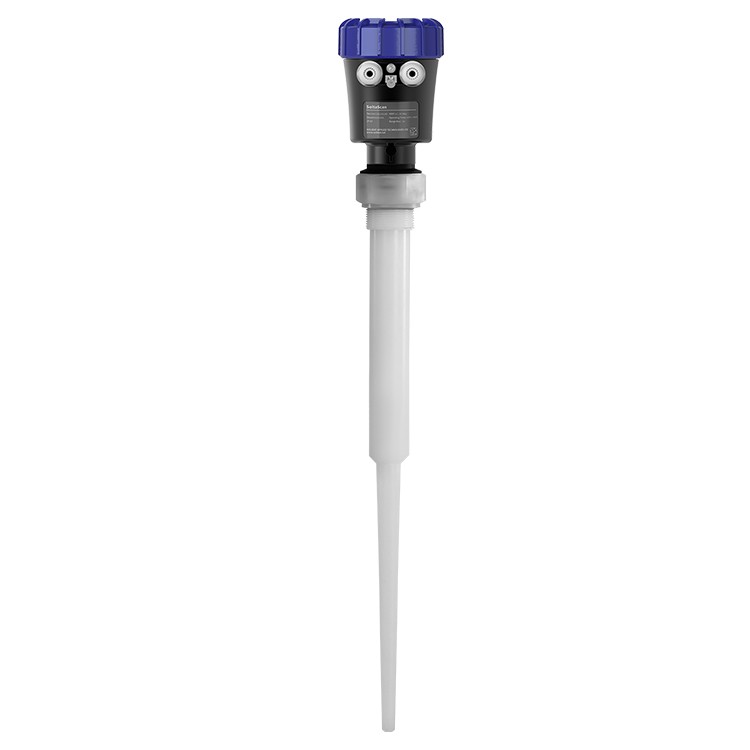
As a Level supplier, we understand the importance of clear communication in the business of level measurement. Our SLDL3500 RF Admittance Switch is a high - quality product that requires accurate communication of its features and benefits to customers worldwide. A salesperson with a high level of language proficiency can effectively explain how this switch works, its advantages, and how it can be integrated into different industrial systems.
Our Product Range and Language Proficiency
Our company offers a diverse range of level measurement products, each designed to meet specific industrial needs.
The (GaugerBAT) Battery Pack And (PTS) Programmable Timer Switch/Barrier is a versatile product that combines a battery pack and a programmable timer. To promote this product globally, our marketing and sales teams need to be proficient in multiple languages. They must be able to explain the product's features, such as its long - lasting battery life and programmable functions, to customers in different countries.
The Multi Point Level Switch is another innovative product in our portfolio. It can detect multiple levels in a tank, which is crucial for industries such as oil and gas, food and beverage, and chemical processing. When communicating with international customers, our technical support staff need to have a good understanding of the customer's language to provide accurate installation and maintenance instructions.
The SLDL5215Radar Tank Gauge is a state - of - the - art product that uses radar technology to measure the level of liquids in tanks. To ensure that customers around the world can use this product effectively, our training materials are available in multiple languages. Our trainers also need to be proficient in different languages to conduct training sessions for international customers.
The Gauger485 Ultrasonic Level Sensor With Digital Output is a reliable and accurate level sensor. When dealing with international orders, our customer service representatives need to be able to communicate clearly with customers in their native languages to handle inquiries, process orders, and provide after - sales support.
How to Improve Language Proficiency
Improving language proficiency requires consistent effort and the right approach. Here are some tips:
- Immersion: Immerse yourself in the language as much as possible. This can include watching movies and TV shows in the target language, listening to music, and reading books and newspapers.
- Language Courses: Enroll in a language course, either in person or online. A good language course can provide structured learning and opportunities to practice speaking with other learners.
- Practice: Practice speaking, writing, listening, and reading regularly. You can find language exchange partners online to practice speaking with native speakers.
- Use Language Learning Apps: There are many language learning apps available that can help you learn vocabulary, grammar, and pronunciation.
Conclusion
In conclusion, understanding the levels of proficiency in a foreign language is essential for both individuals and businesses. As a Level supplier, we recognize the importance of language proficiency in our global operations. Our high - quality level measurement products, such as the SLDL3500 RF Admittance Switch, (GaugerBAT) Battery Pack And (PTS) Programmable Timer Switch/Barrier, Multi Point Level Switch, SLDL5215Radar Tank Gauge, and Gauger485 Ultrasonic Level Sensor With Digital Output, require effective communication with customers worldwide.
If you are interested in our level measurement products or have any questions, we invite you to contact us for further discussion. We look forward to the opportunity to work with you and provide you with the best solutions for your level measurement needs.
References
- Council of Europe. (2001). Common European Framework of Reference for Languages: Learning, teaching, assessment. Cambridge University Press.
- Ellis, R. (1994). The study of second language acquisition. Oxford University Press.