




How to improve your performance level in sports?
 Jan 02, 2026|
 Improving your performance level in sports is a goal that many athletes, whether amateur or professional, strive for. It involves a combination of physical training, mental preparation, proper nutrition, and the use of the right equipment. As a level supplier, I understand the importance of having accurate measurements and reliable equipment in various sports and training scenarios. In this blog, I'll share some tips on how you can enhance your sports performance and how our products can play a role in that process.
Physical Training
First off, physical training is the cornerstone of improving sports performance. It's not just about working out hard; it's about working out smart. You need to have a well - structured training plan that includes a mix of cardiovascular exercises, strength training, and flexibility work.
Cardiovascular exercises, such as running, cycling, or swimming, are great for improving your endurance. When you have better endurance, you can perform at a high level for a longer period of time during a game or a race. For example, if you're a soccer player, being able to run up and down the field without getting tired easily gives you an edge over your opponents.
Strength training is equally important. By building muscle strength, you can increase your power and speed. Lifting weights, doing bodyweight exercises like push - ups and squats, or using resistance bands can all contribute to building stronger muscles. For instance, a baseball pitcher with strong arm muscles can throw the ball at a higher velocity, making it more difficult for the batter to hit.
Flexibility work, like yoga or stretching routines, helps improve your range of motion. A greater range of motion can prevent injuries and also enhance your performance. A gymnast, for example, needs to have excellent flexibility to perform complex routines with ease.
Mental Preparation
Your mind plays a huge role in sports performance. Having a positive mental attitude can help you stay focused, motivated, and confident. One way to prepare mentally is through visualization. Before a big game or event, take a few minutes to imagine yourself performing well. Picture every detail, from the start to the end. This can boost your confidence and help you feel more prepared.
Another important aspect of mental preparation is managing stress and anxiety. Everyone gets nervous before a big event, but learning how to control those feelings is key. You can try relaxation techniques like deep breathing or meditation. These can help calm your nerves and allow you to perform at your best.
Proper Nutrition
What you eat can have a significant impact on your sports performance. You need to fuel your body with the right nutrients to support your training and competition. Carbohydrates are your body's main source of energy, so make sure to include plenty of whole grains, fruits, and vegetables in your diet. Protein is essential for muscle repair and growth, so lean meats, fish, eggs, and beans are great choices.
In addition to macronutrients, don't forget about micronutrients. Vitamins and minerals play a crucial role in various bodily functions. For example, iron is important for oxygen transport in the blood, and calcium is essential for strong bones.
Staying hydrated is also vital. Dehydration can lead to fatigue, decreased performance, and even injury. Make sure to drink plenty of water throughout the day, especially during and after your workouts.
The Role of Equipment
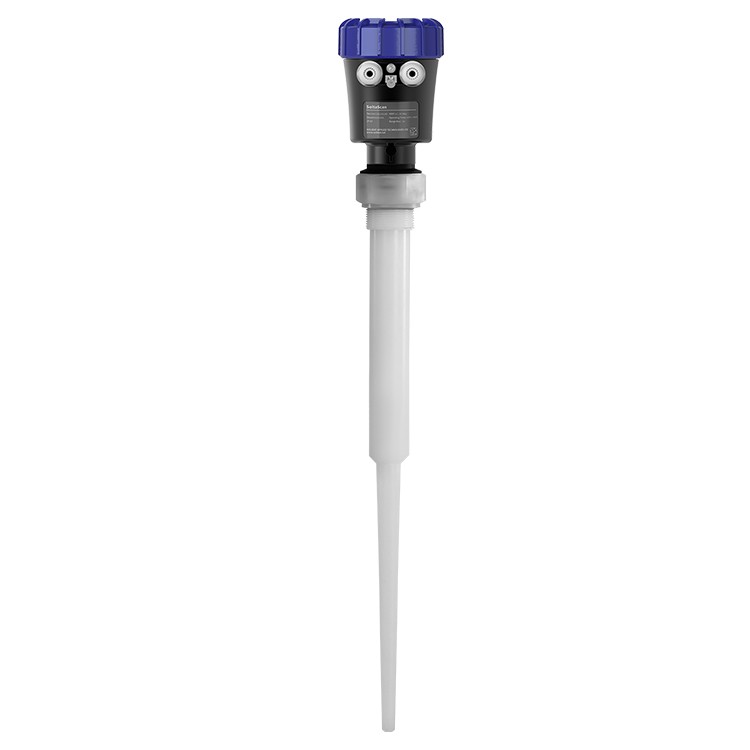
As a level supplier, I know that having the right equipment can make a big difference in sports performance. For example, in some water - based sports, accurate water level measurements can be crucial. That's where our SLDL3600 Electric Contact Steam Drum Level Gauge comes in handy. It provides precise measurements, which can be important for maintaining the right conditions in a training pool or a water sports facility.
If you're involved in activities where storage tanks are used, like fuel storage for some motor sports, our SLDL5215 Radar Tank Gauge can help you monitor the fuel levels accurately. This ensures that you don't run out of fuel during a race or training session.
The SLDL2525 Split Level Gauge Ultrasonic is also a great tool for various applications. In sports facilities where water or other liquids need to be monitored, this gauge offers reliable and accurate measurements. It can be used in swimming pools, water treatment systems, or even in some sports equipment that involves liquids.

Recovery and Rest
Recovery and rest are often overlooked but are just as important as training. Your body needs time to repair and grow stronger after a hard workout or a game. Make sure to get enough sleep each night. Sleep is when your body does most of its recovery work, so aim for 7 - 9 hours of quality sleep.
In addition to sleep, you can also use other recovery methods. Foam rolling, for example, can help relieve muscle soreness and improve blood circulation. Massages are another great way to relax your muscles and speed up the recovery process.
Setting Goals
Setting clear and achievable goals is an important part of improving your sports performance. Your goals should be specific, measurable, achievable, relevant, and time - bound (SMART). For example, instead of saying "I want to be a better athlete," set a goal like "I want to improve my 100 - meter dash time by 0.5 seconds within the next three months."
Once you have your goals set, break them down into smaller, actionable steps. This makes the goals seem less overwhelming and easier to achieve. Regularly review your progress and make adjustments to your training plan if necessary.
Conclusion
Improving your performance level in sports is a journey that requires dedication, hard work, and the right approach. By focusing on physical training, mental preparation, proper nutrition, using the right equipment, getting enough rest and recovery, and setting clear goals, you can take your sports performance to the next level.
If you're interested in our level measurement products and how they can benefit your sports - related needs, we're more than happy to have a chat. Whether it's for a professional sports team, a training facility, or an individual athlete, we can provide the right solutions for you. Reach out to us to start a discussion about your requirements and explore how our products can fit into your setup.
References
- Bouchard, C., & Shepherd, J. (1994). Physical Activity, Fitness, and Health: International Proceedings and Consensus Statement. Human Kinetics.
- Moran, A. J. (2012). The Psychology of Sports Performance. Routledge.
- American College of Sports Medicine. (2018). ACSM's Guidelines for Exercise Testing and Prescription. Lippincott Williams & Wilkins.