




How to ensure the safety of personnel working with radar systems?
 Aug 21, 2026|
 As a leading radar supplier, we understand that ensuring the safety of personnel working with radar systems is of utmost importance. Radar technology is widely used in various industries, including aviation, maritime, defense, and industrial applications. While radar systems offer numerous benefits, they also present potential risks to human safety. In this blog, we will delve into the key strategies and practices to ensure the safety of personnel involved in working with radar systems.

Understanding Radar System Hazards
Before discussing safety measures, it's essential to understand the potential hazards associated with radar systems. Radar systems emit electromagnetic radiation (EMR) in the radio - frequency (RF) range. Prolonged or excessive exposure to RF radiation can lead to various health issues, such as thermal effects (heating of body tissues), non - thermal effects (e.g., changes in cell function), and potential long - term risks like an increased risk of cancer (although scientific consensus on the latter is still evolving).
Other hazards include electrical hazards, mechanical hazards (e.g., moving parts in some radar antennas), and the potential for interference with other electronic devices, which can have safety implications in critical systems.
1. Hazard Assessment and Risk Management
Conducting a comprehensive hazard assessment is the first step in ensuring personnel safety. This involves identifying all potential hazards associated with the radar system, such as the level of RF radiation emissions, electrical risks, and mechanical hazards.
- RF Radiation Assessment: Use specialized equipment to measure the RF radiation levels at different distances from the radar antenna. Determine the safe operating distances and exposure limits based on international standards such as the International Commission on Non - Ionizing Radiation Protection (ICNIRP) guidelines.
- Electrical Hazard Assessment: Inspect the electrical components of the radar system, including power supplies, wiring, and grounding. Identify potential electrical shock hazards and ensure that all electrical work is carried out by qualified electricians.
- Mechanical Hazard Assessment: Examine the mechanical components of the radar system, such as rotating antennas. Install appropriate guards and safety interlocks to prevent personnel from coming into contact with moving parts.
Once the hazards are identified, a risk management plan should be developed. This plan should outline the measures to be taken to mitigate the risks, including engineering controls, administrative controls, and the use of personal protective equipment (PPE).
2. Engineering Controls
Engineering controls are designed to eliminate or reduce the hazards at the source.
- Shielding: Use shielding materials to reduce the RF radiation emissions from the radar system. For example, metal enclosures can be used to contain the RF energy and prevent it from spreading into the surrounding environment.
- Antenna Design and Placement: Optimize the antenna design to minimize the RF radiation exposure in areas where personnel are likely to be present. Place the antennas in a location that maximizes the distance between the antenna and personnel, and use directional antennas to focus the RF energy in the desired direction.
- Safety Interlocks: Install safety interlocks on the radar system to automatically shut off the power when certain conditions are met, such as when the door of an enclosure is opened or when a personnel is detected in a restricted area.
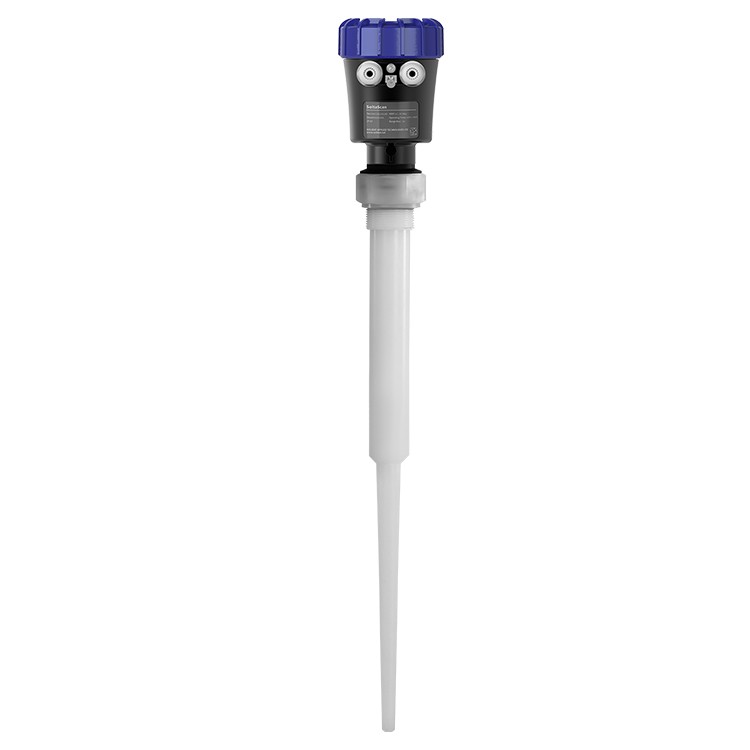
For example, some of our models such as the SLDL5523 Coaxial Probe Guided Wave Radar and SLDL5521Coaxial Probe Guided Wave Radar are designed with advanced engineering controls to enhance safety during operation.
3. Administrative Controls
Administrative controls involve establishing policies, procedures, and training programs to ensure that personnel are aware of the hazards and know how to work safely with radar systems.
- Training Programs: Provide comprehensive training to all personnel who work with or around radar systems. The training should cover the basic principles of radar operation, the potential hazards associated with radar systems, and the safety procedures to follow. Regular refresher courses should also be conducted to keep the personnel up - to - date with the latest safety information.
- Operating Procedures: Develop clear and detailed operating procedures for the radar system. These procedures should include steps for starting and stopping the system, conducting maintenance, and responding to emergencies. All personnel should be required to follow these procedures at all times.
- Access Control: Restrict access to the radar system area to authorized personnel only. Use access control systems such as key cards or biometric scanners to prevent unauthorized entry.
4. Personal Protective Equipment (PPE)
Personal protective equipment can be used to provide additional protection to personnel in cases where engineering and administrative controls are not sufficient.
- RF - Protective Clothing: Provide personnel with RF - protective clothing, such as jackets and suits, which are designed to reduce the RF radiation exposure. These clothing items are made of special materials that can absorb or reflect the RF energy.
- Eye Protection: Use RF - blocking goggles to protect the eyes from RF radiation. The eyes are particularly sensitive to RF radiation, and appropriate eye protection can help prevent potential damage.
- Other PPE: Depending on the specific hazards associated with the radar system, other types of PPE such as safety gloves and helmets may also be required.
5. Monitoring and Maintenance
Regular monitoring and maintenance of the radar system are crucial to ensure its safe operation.
- RF Radiation Monitoring: Continuously monitor the RF radiation levels in the area around the radar system. Use fixed or portable RF radiation monitors to detect any changes in the radiation levels. If the levels exceed the allowable limits, take immediate action to identify and correct the source of the problem.
- Electrical and Mechanical Maintenance: Conduct regular maintenance on the electrical and mechanical components of the radar system. This includes checking the wiring, connectors, and moving parts for signs of wear and tear, and replacing any damaged components. Ensure that all maintenance work is carried out by qualified personnel.
6. Emergency Preparedness
Despite all the safety measures in place, emergencies can still occur. Therefore, it's essential to have an emergency preparedness plan in place.
- Emergency Response Procedures: Develop detailed emergency response procedures for potential incidents such as RF radiation over - exposure, electrical fires, and mechanical failures. All personnel should be trained on these procedures and know how to respond in case of an emergency.
- First - Aid and Medical Support: Provide first - aid kits in the area around the radar system and ensure that some personnel are trained in first - aid. Establish a connection with local medical facilities to ensure prompt medical support in case of serious injuries.
Conclusion
Ensuring the safety of personnel working with radar systems requires a comprehensive approach that includes hazard assessment, engineering controls, administrative controls, the use of PPE, monitoring and maintenance, and emergency preparedness. As a radar supplier, we are committed to providing our customers with high - quality radar systems that are designed with safety in mind. Our products such as the SLDL5360 3D Multi Point Scanning Radar, SLDL5189 High Temperature And High Pressure Radar Level Meter, and SLDL5215Radar Tank Gauge are built to meet the highest safety standards.
If you are interested in purchasing our radar products or need more information about radar system safety, we encourage you to contact us. We are ready to discuss your specific requirements and provide you with the best solutions for your needs.
References
- International Commission on Non - Ionizing Radiation Protection (ICNIRP). Guidelines for limiting exposure to time - varying electric, magnetic, and electromagnetic fields (up to 300 GHz). Health Physics, 2020.
- Occupational Safety and Health Administration (OSHA). Electrical safety standards and guidelines for industrial workplaces. OSHA Publications, 2021.
- National Fire Protection Association (NFPA). Electrical safety codes and standards for preventing electrical fires. NFPA Reports, 2022.